
Local focus
- Commercial and light-industrial losses that cannot sit idle
- Storm and roof-intrusion stabilization for service and manufacturing spaces
- Project-manager-level communication without corporate delay
We bring a tighter response model for urgent cleanup and scope control across Elkhart homes, mixed-use buildings, and light-industrial spaces.
Elkhart combines a riverfront downtown district with one of the strongest manufacturing and RV economies in the region. That mix creates a wide range of losses, from older residential water damage to sprinkler events, roof leaks, and storm intrusion at service-commercial or industrial properties.
Emergency extraction, structural drying, sanitation workflow, and insurer-ready daily documentation.
Stabilization planning, debris handling, odor control strategy, and reconstruction sequencing after loss.
Containment-focused remediation planning, selective removal, cleaning workflow, and rebuild preparation.
Rapid stabilization after roof, siding, and envelope failure with temporary protection and interior mitigation.
Signal Ridge is built for businesses, facilities, mixed-use properties, and operational sites that need one accountable response model from first call through reconstruction planning.
View Commercial response programSignal Ridge is structured for property managers, campus-adjacent rentals, multifamily owners, and mixed portfolios that need reliable communication as much as they need cleanup.
View Property manager supportSignal Ridge is designed for owners who need the emergency work handled without losing visibility on insurance documentation, invoicing, receipts, or next-step approvals.
View Claims and billing support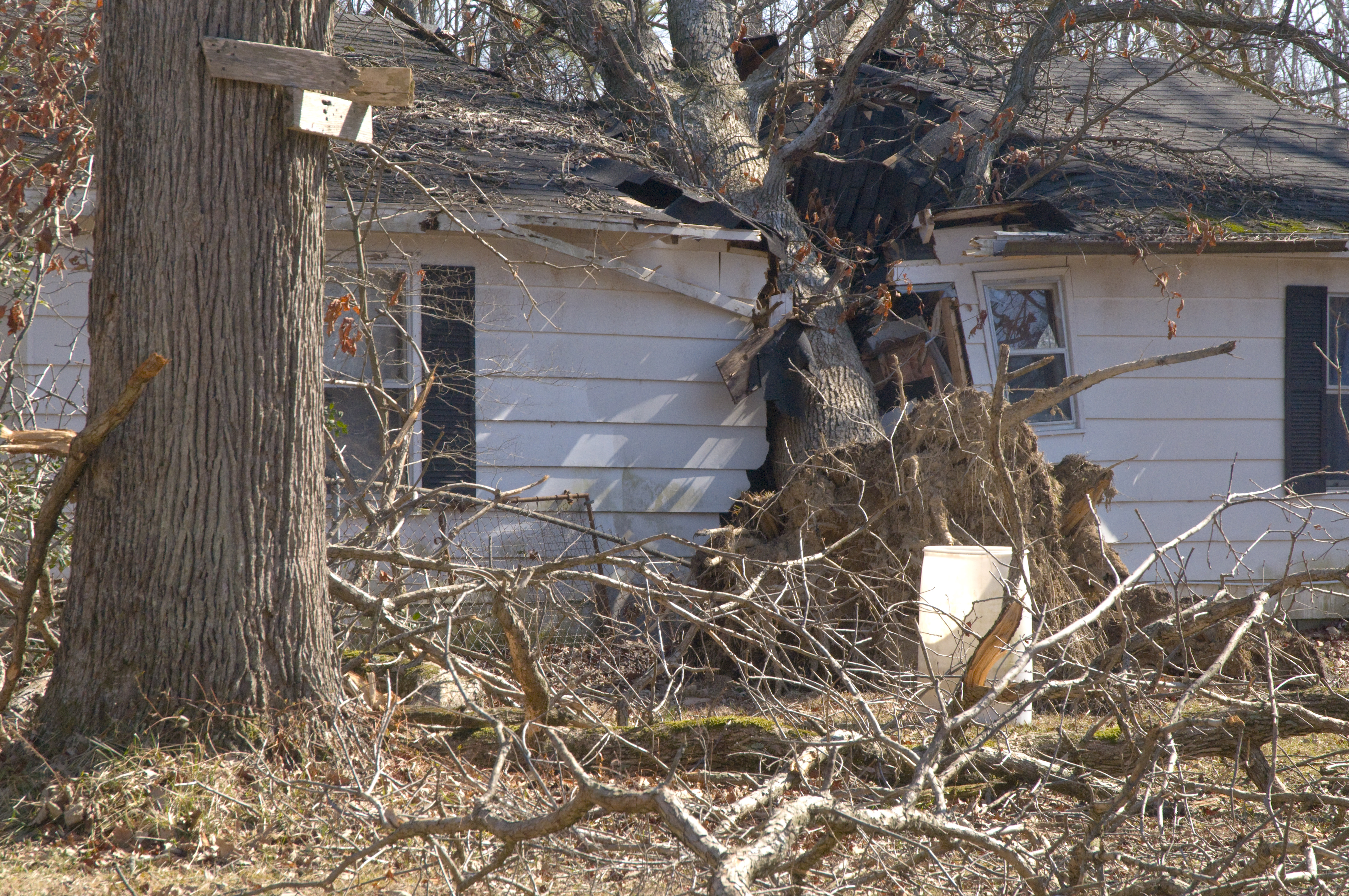
Representative storm-loss scene showing why temporary protection and roof-intrusion planning need to happen fast.
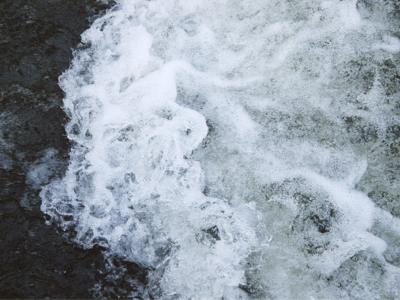
Representative moisture-damage image showing how quickly water exposure can expand from a visible event into wall, floor, and basement issues.
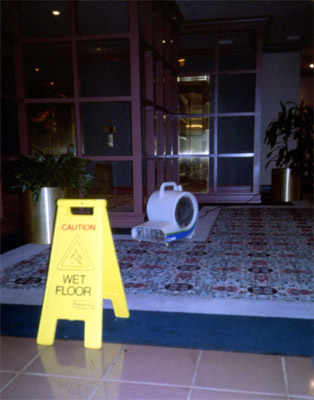
Representative dry-out image showing the kind of controlled equipment setup used after extraction and selective demolition.
You get direct updates from the team handling the job instead of being passed between a call center, coordinator, and estimator.
Daily photos, moisture notes, and field observations stay organized so the scope is easier to defend and explain.
Estimates, notes, and supporting documentation are built to make carrier and owner review simpler, not messier.
The dry-out phase and the reconstruction phase stay tied together so the project does not stall after emergency work.
A smaller coverage area means tighter scheduling, faster follow-up, and less chance of the job getting buried in a huge queue.
Homes, rentals, offices, and small commercial properties can stay inside one operating system instead of being handled like unrelated jobs.