
Water and Sewage Mitigation
Emergency extraction, structural drying, sanitation workflow, and insurer-ready daily documentation.
We focus on emergency cleanup, damage documentation, and a clear plan for what needs to happen next so owners are not left guessing.
Emergency extraction, structural drying, sanitation workflow, and insurer-ready daily documentation.
Stabilization planning, debris handling, odor control strategy, and reconstruction sequencing after loss.
Containment-focused remediation planning, selective removal, cleaning workflow, and rebuild preparation.
Rapid stabilization after roof, siding, and envelope failure with temporary protection and interior mitigation.
You get direct updates from the team handling the job instead of being passed between a call center, coordinator, and estimator.
Daily photos, moisture notes, and field observations stay organized so the scope is easier to defend and explain.
Estimates, notes, and supporting documentation are built to make carrier and owner review simpler, not messier.
The dry-out phase and the reconstruction phase stay tied together so the project does not stall after emergency work.
A smaller coverage area means tighter scheduling, faster follow-up, and less chance of the job getting buried in a huge queue.
Homes, rentals, offices, and small commercial properties can stay inside one operating system instead of being handled like unrelated jobs.
We do not lead with made-up guarantees. We lead with the operating disciplines that actually keep losses moving and buyers informed.
Every new loss is triaged into an actionable plan covering source control, containment, documentation, and the next decisions that will move the job forward.
Active mitigation work is tracked with photos, moisture notes, and job updates so owners, carriers, and project stakeholders are not forced to guess.
Calls, scopes, billing questions, and project transitions are routed to a clear internal owner so work does not disappear into a general inbox.
Invoice lookup, phone-payment support, secure checkout when enabled, and receipt records stay tied to the same job ecosystem.
Choose the service that best matches what happened, then call or send the form at the bottom of the page.
Emergency extraction, structural drying, sanitation workflow, and insurer-ready daily documentation.
Stabilization planning, debris handling, odor control strategy, and reconstruction sequencing after loss.
Containment-focused remediation planning, selective removal, cleaning workflow, and rebuild preparation.
Rapid stabilization after roof, siding, and envelope failure with temporary protection and interior mitigation.
Homeowners need confidence. Property managers need visibility. Commercial operators need continuity. Claims stakeholders need documentation that makes sense.
Signal Ridge is built for businesses, facilities, mixed-use properties, and operational sites that need one accountable response model from first call through reconstruction planning.
Signal Ridge is structured for property managers, campus-adjacent rentals, multifamily owners, and mixed portfolios that need reliable communication as much as they need cleanup.
Signal Ridge is designed for owners who need the emergency work handled without losing visibility on insurance documentation, invoicing, receipts, or next-step approvals.
The long-term moat is not generic claims. It is visible accountability, verified local proof, and a publishing standard that keeps the marketing aligned with the real work.
See how Signal Ridge is structuring public leadership, role visibility, and accountability standards before generic team-page filler ever goes live.
View leadership pageSee the publication standard and the review-capture loop that will turn real local jobs into case studies with actual photos and verified customer proof.
View case studiesSignal Ridge is building the public brand around the same system that handles intake, routing, documentation, invoicing, and phone-payment support.
View claims and billing supportWe identify what is still active, what is at risk, and what must be stabilized first within the first conversation.
Every job gets a disciplined photo, moisture, and scope package so owners are not left guessing what happened.
We keep demolition and drying decisions tied to the actual loss instead of turning every project into a full gut job.
When the project crosses trades, we coordinate the handoff clearly so the job does not stall after mitigation.
Standing water, wet lower drywall, saturated contents, and no clear plan for drying or salvage.
Extraction, equipment placement, daily moisture tracking, selective demo, and a documented rebuild scope.
Immediate odor spread, soot migration, uncertain salvage, and multiple trades needing direction.
Stabilized work zones, odor-control plan, room-by-room scope notes, and a clear rebuild sequence.
Recurring moisture, damaged finishes, and confusion about what actually needs to be removed.
Targeted containment, verified removal scope, cleaned structure, and a clean path back to reconstruction.
These examples show the loss conditions and mitigation phases Signal Ridge is built to document, control, and move toward a cleaner rebuild plan while the public case-study library grows from completed local work.
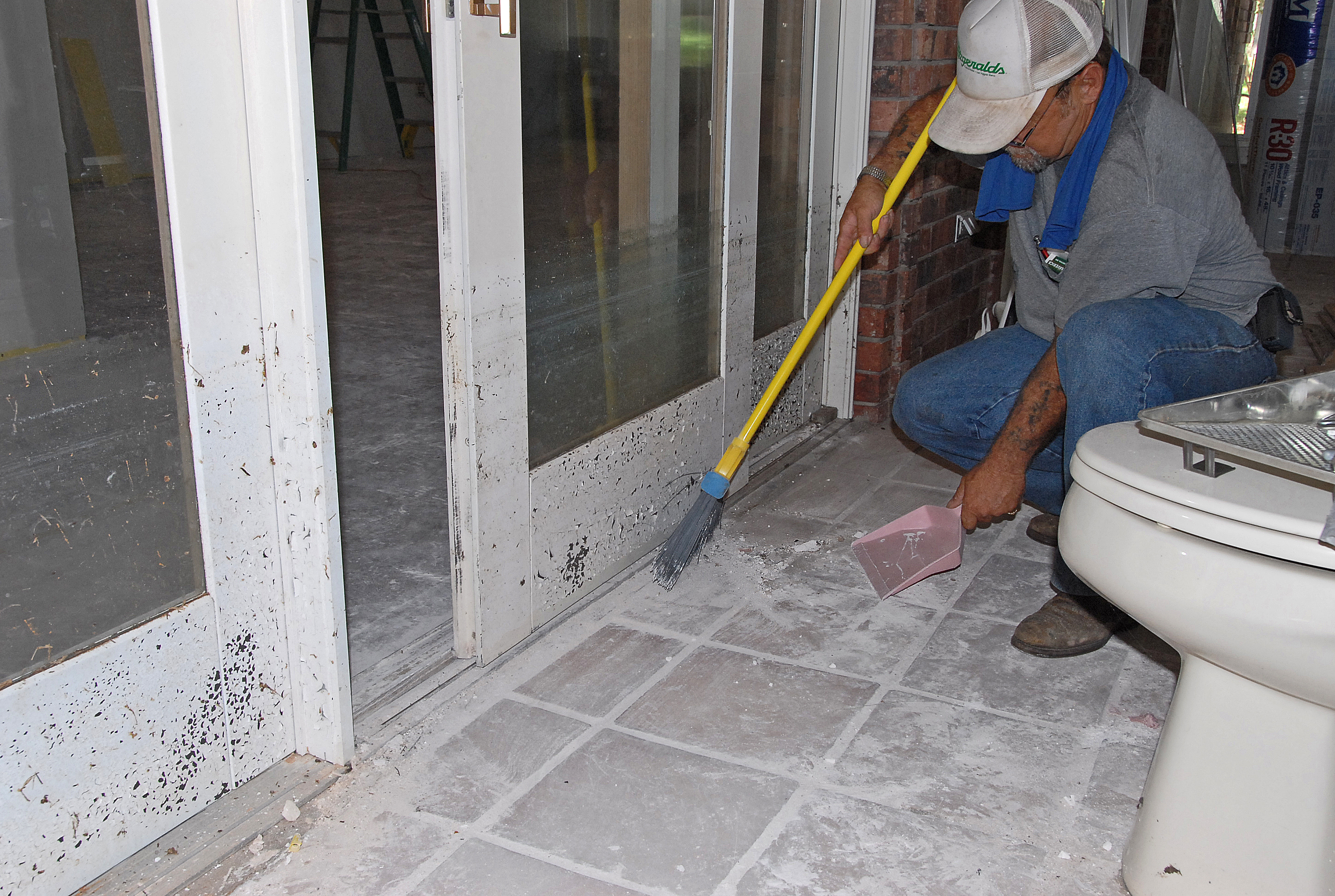
Representative water-loss interior showing standing water, contamination exposure, and visible high-water marks before mitigation begins.
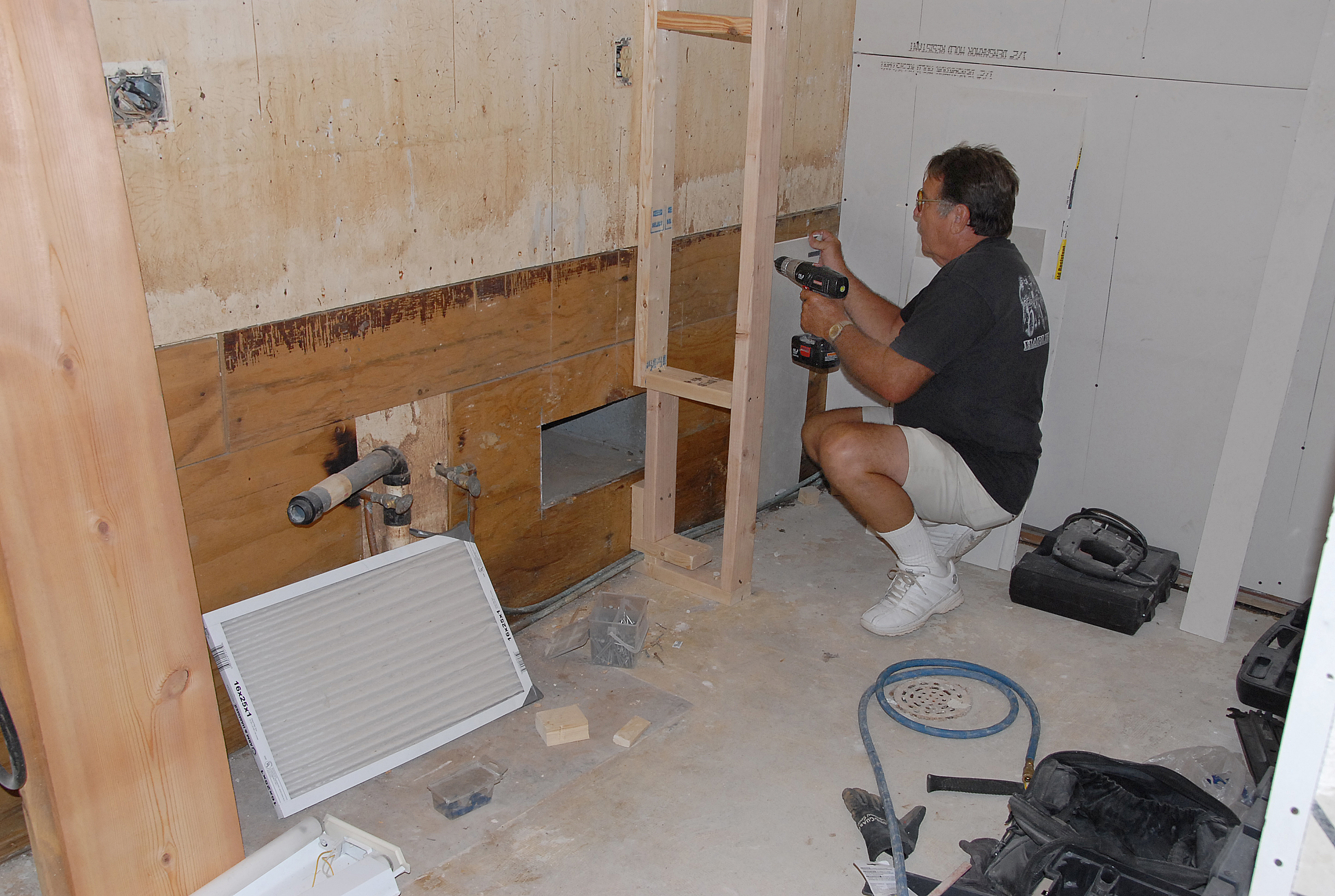
Representative dry-out scene showing structural drying progress and rebuild-prep work after damaged materials are removed.
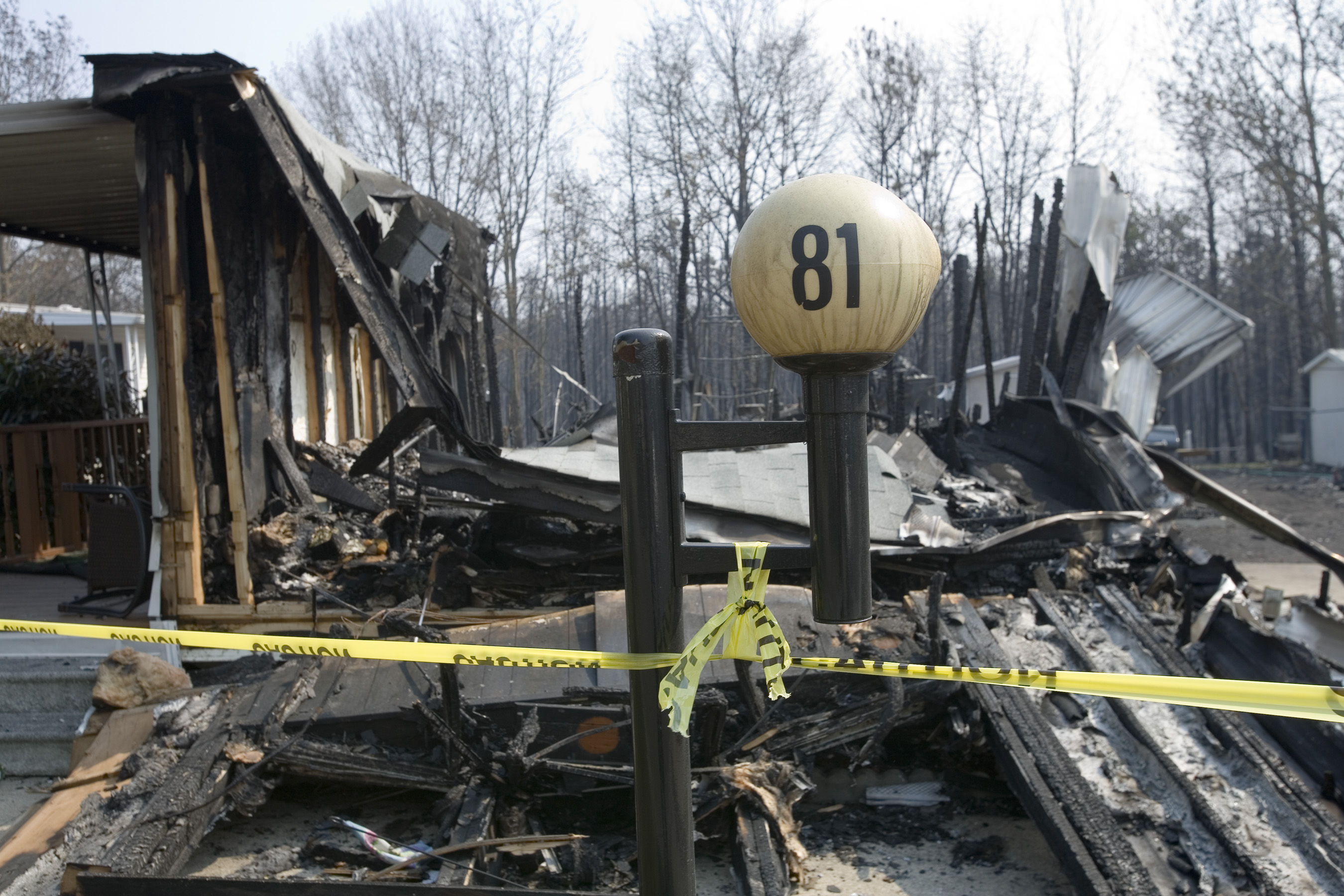
Representative fire-loss exterior showing the kind of structural damage that requires immediate board-up, scope separation, and reconstruction planning.
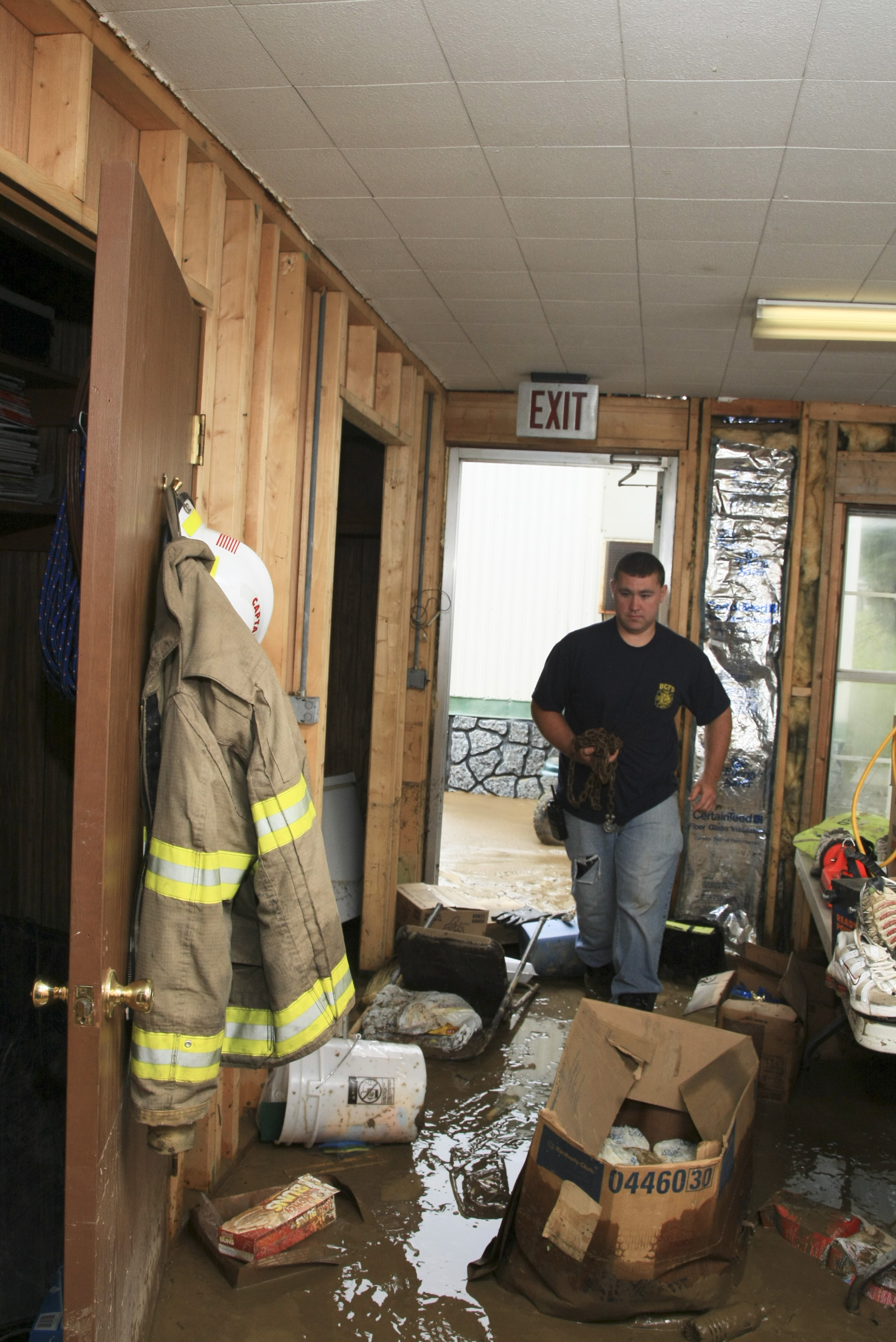
Representative cleanup scene showing the controlled interior work that follows emergency stabilization and damage documentation.
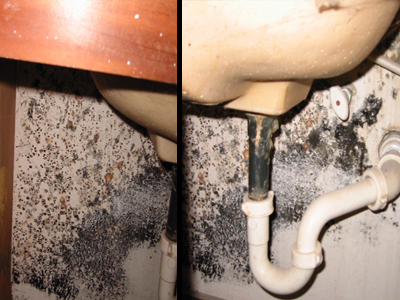
Representative mold image showing growth under a plumbing-driven moisture loss where hidden cavity damage is common.
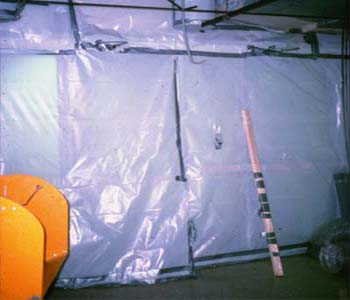
Representative containment setup showing a larger remediation job before selective demolition and cleaning proceed.
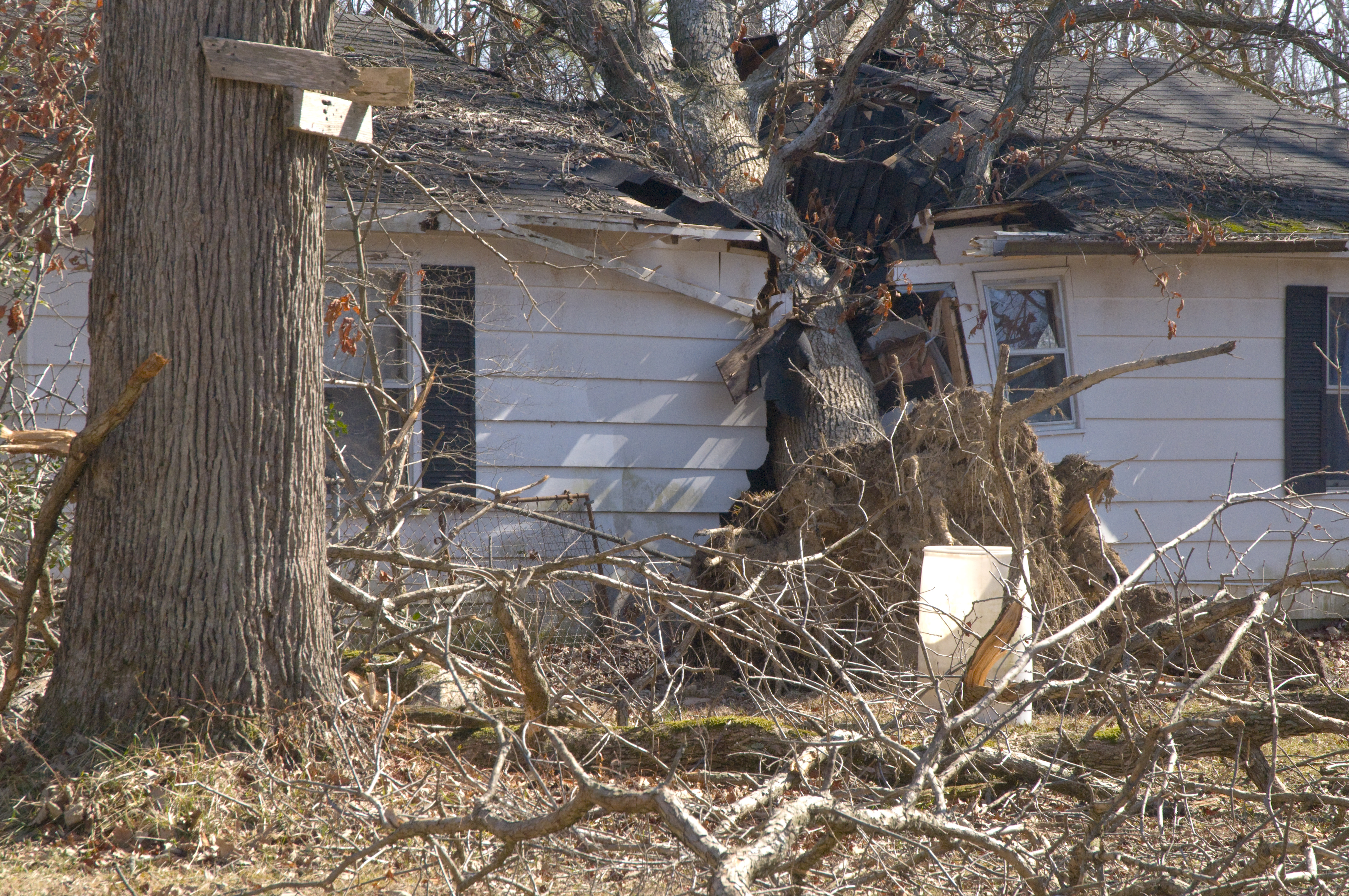
Representative storm-loss scene showing why temporary protection and roof-intrusion planning need to happen fast.

Representative moisture-damage image showing how quickly water exposure can expand from a visible event into wall, floor, and basement issues.
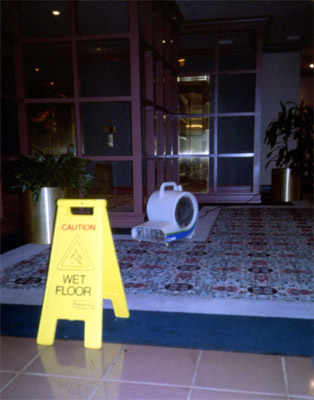
Representative dry-out image showing the kind of controlled equipment setup used after extraction and selective demolition.
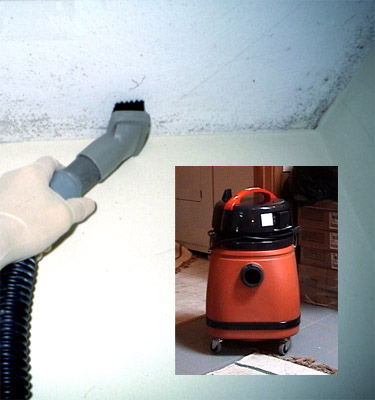
Representative cleaning image showing HEPA-focused workflow used during mold and particulate cleanup after the source is controlled.
Open a city page if you want a more local summary of the kinds of jobs we expect there.
Fast local response for water, sewage, fire, mold, and storm losses across South Bend's river corridors, historic neighborhoods, campus-adjacent rentals, and commercial nodes.
View South Bend pageFor burst pipes, sewage backups, smoke loss, or roof intrusion, we keep Mishawaka projects moving without franchise-style handoffs or vague updates.
View Mishawaka pageWe bring a tighter response model for urgent cleanup and scope control across Elkhart homes, mixed-use buildings, and light-industrial spaces.
View Elkhart pageSignal Ridge keeps the response local, documented, and easier to manage when Goshen jobs move from emergency cleanup into reconstruction.
View Goshen pageWe operate across the Michiana footprint with a smaller radius and tighter communication discipline for Niles riverfront, downtown, and neighborhood losses.
View Niles pageFrom storm response to sewage cleanup, we keep La Porte losses controlled and easier to understand across lake-adjacent neighborhoods and historic downtown blocks.
View La Porte pageThe business is built to publish verified proof, not borrowed authority. Until the review moat is larger, the site is designed around documented standards and transparent expectations.
Signal Ridge does not publish fabricated testimonials or borrowed authority. Public reviews and case studies are added from real completed work only.
Until the public review moat is larger, the site leads with the standards the company can actually control: response planning, documentation quality, communication cadence, and scope clarity.
The operating model is designed to earn repeat work and referrals from owners, adjusters, and property managers who value speed without chaos.
We are built to manage the handoff from mitigation into rebuild coordination so the project does not stall after emergency work.
Yes. Our workflow is designed around photos, field notes, moisture documentation, and cleaner scope language that helps owners and adjusters understand the job.
Yes. We support residential, commercial, mixed-use, and managed-property losses within our operating radius, especially when the owner needs cleaner documentation and tighter communication.
Yes, when the scope needs additional trades. The point is visibility: we keep the owner informed about what is in-house, what is coordinated, and what happens next.
Yes. Signal Ridge supports invoice lookup, secure checkout when attached to the invoice, and direct phone-payment support with receipt follow-up kept inside the job record.
Yes. We are set up for rentals, multifamily, campus-adjacent property, and managed portfolios where tenant communication, unit-level documentation, and rebuild sequencing all matter.
Keep it simple. You do not need to write a perfect report. Just tell us the type of damage, the city, and the best phone number.
After years fighting Xactimate's carrier-friendly pricing book, we built our own. ScopeForge is the AI-powered estimator + adjuster portal + mobile field-capture suite that runs alongside Xactimate (or replaces it). Built by an operating restoration company, on the contractor's side of the table.
Your site manager doesn't have to relearn anything. Toggle on Xactimate-mode and the shortcuts they already know just work.
Walk a loss with your phone. Photo evidence chain (GPS + timestamp + cryptographic hash). LiDAR room scans via Polycam or your iPhone Pro.
Magic-link review portal branded with your logo. Per-line approve/dispute buttons. Adjusters tell us it's faster than Xactimate review.
$89/seat/month vs Xactimate's ~$140. No setup fee. No annual contract. 14-day free Pro trial. One active project free forever.